Elevate Your Brand with a Premium Invitation Card Mockup 5x7
In the competitive landscape of creative entrepreneurship, first impressions are often the only ones that matter. Whether you are a wedding stationer launching a new collection, a graphic designer pitching to a high-end client, or a small business owner promoting an exclusive event, the way you present your work defines its perceived value. This is where a professional Invitation Card Mockup 5x7 becomes an indispensable tool in your workflow. Unlike flat digital files that can feel sterile and detached from reality, a high-quality mockup bridges the gap between a concept on a screen and a tangible product in hand. It provides the context, lighting, and texture necessary to make your designs feel real, allowing stakeholders to visualize the final result before a single sheet of paper is printed.
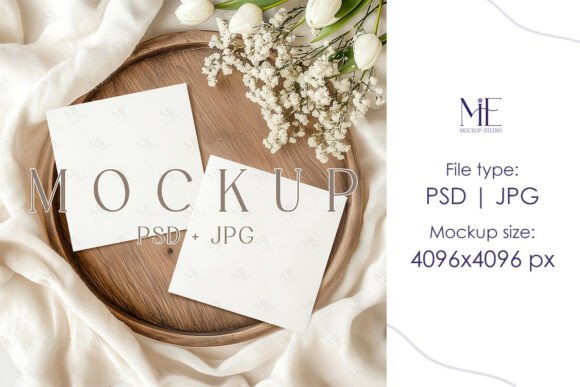
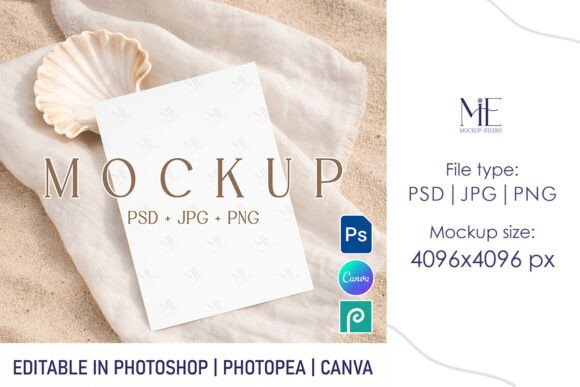
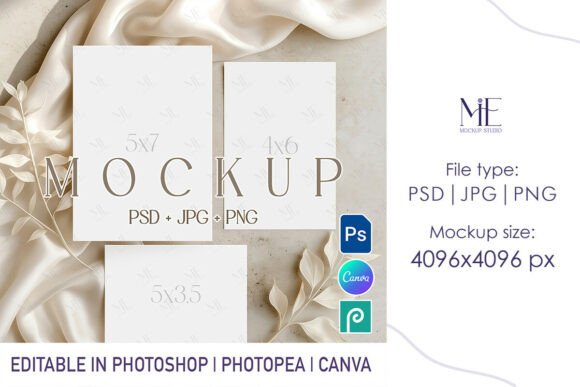
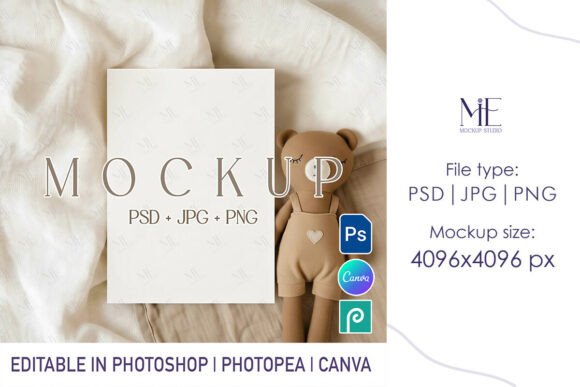
The visual personality of a well-crafted 5x7 mockup lies in its subtlety. The best templates do not overpower your design; instead, they frame it within a realistic environment. Imagine a double-sided card resting on a textured linen surface, catching soft, natural light that highlights the grain of the paper and the crispness of the ink. These elements—the shadow depth, the slight curvature of the card edges, and the interaction with the background—create a narrative. They suggest quality and attention to detail. When you utilize a Double 5x7 Cards PSD template, you are essentially borrowing a professional photography studio setup without the cost of equipment or the time required for a photoshoot. This efficiency allows you to focus on what you do best: creating compelling brand identity and visual stories.
Strategic Applications Across Creative Industries
While the name suggests a specific use case, the versatility of a 5x7 inch format extends far beyond wedding invitations. This standard size is a cornerstone in editorial design, perfect for showcasing magazine spreads, art prints, or limited-edition posters. For marketers and social media managers, these mockups serve as powerful assets for social media graphics. A post featuring a realistic card design consistently outperforms a flat JPEG because it stops the scroll; the human eye is naturally drawn to objects that look three-dimensional and tactile.
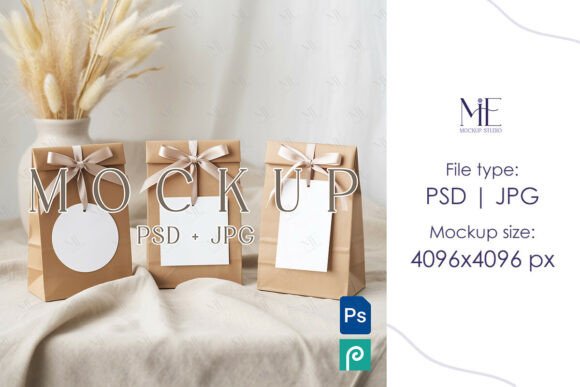
Consider the implications for packaging design and product labeling. Many luxury brands use 5x7 cards as hang tags, insert cards, or thank-you notes included in shipment boxes. By presenting your label designs within this mockup format, you provide clients with a holistic view of their brand identity. It demonstrates how the typography and color palette translate from a digital screen to a physical medium. Furthermore, for those working in web design, using these images in portfolio sections adds a layer of professionalism that generic placeholders simply cannot match. It signals to potential clients that you understand the full lifecycle of a design project, from pixel to print.
The appeal of the "Boho" aesthetic, often associated with these templates, taps into a current market desire for authenticity and organic warmth. A Boho Greeting Canva Template style mockup often features earthy tones, natural materials like wood or stone, and dried botanicals. This stylistic choice is not just about trends; it influences audience engagement by evoking feelings of comfort and exclusivity. When a customer sees your design in this setting, they subconsciously associate your brand with these positive attributes, enhancing brand perception and recognition.
Enhancing Readability and Visual Hierarchy
One of the most critical, yet often overlooked, benefits of using a realistic mockup is the ability to test and refine visual hierarchy. When a design is viewed on a flat, backlit monitor, contrast levels can appear deceptive. Shadows and highlights in a mockup reveal whether your chosen typeface remains legible under different lighting conditions. Is that delicate script font getting lost in the shadows? Does the bold sans serif font pop enough against the textured background? These are crucial questions that a mockup helps answer before you send files to the printer.
Readability is paramount for commercial font usage. Whether you are selecting a modern display font for a headline or a classic serif font for body text, the mockup acts as a proofing ground. It allows you to evaluate font pairing effectiveness in a real-world scenario. For instance, a handwritten note element might look charming in isolation but could clash with the background texture in a rendered image. By iterating within the Smart Object layers of a PSD file, you can adjust kerning, leading, and color values to ensure maximum clarity and impact. This process ensures consistency across all touchpoints, reinforcing professionalism and reducing the risk of costly printing errors.
Practical Workflow and Technical Considerations
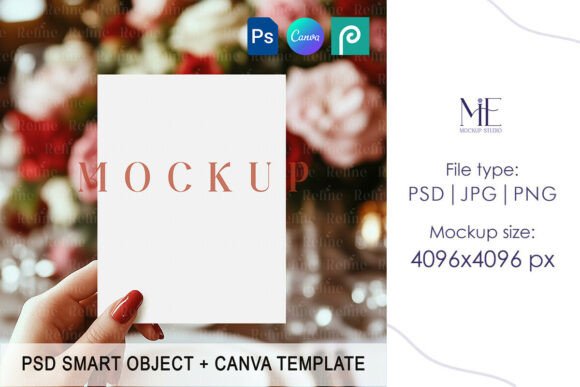
Integrating these tools into your daily routine should be seamless. The beauty of modern design assets lies in their ease of use. A high-resolution file, typically around 4096x4096 pixels, ensures that your final exports are crisp enough for large-format displays or high-DPI web usage. The workflow is straightforward: open the PSD file in Photoshop, locate the Smart Object layer, double-click to insert your artwork, save, and watch the magic happen. The software automatically applies the necessary perspective, lighting, and texture mapping, giving your product a polished look instantly.
When choosing a mockup for your projects, consider the licensing terms carefully. Most premium templates offer commercial licenses, allowing you to use the rendered images in client presentations, marketing materials, and online stores. However, always verify if the license covers the mockup file itself or just the resulting images. Additionally, pay attention to the included styles. Some templates offer multiple angles or background variations, providing you with a diverse library of creative font showcases from a single purchase.
For those who prefer browser-based tools, many of these PSD structures have counterparts in Canva. While PSDs offer superior control over lighting and texture via Smart Objects, Canva templates provide speed and collaboration features. The key is to select the tool that fits your specific project timeline and technical comfort level. Regardless of the platform, the goal remains the same: to present your work in the most flattering, realistic light possible.
Ultimately, investing in a quality Invitation Card Mockup 5x7 is an investment in your brand's credibility. It transforms abstract ideas into concrete realities, helping you communicate value, inspire confidence, and engage your audience on a deeper level. In a world saturated with digital noise, the tactile illusion of a well-rendered mockup cuts through the clutter, reminding viewers that behind every pixel is a thoughtful, human creator dedicated to excellence.