Elevating Your Design Workflow with a Double 5x7 Invitation Cards Mockup
In the fast-paced world of graphic design and digital marketing, the gap between a concept on your screen and a tangible product in a client's hand is often bridged by visualization. Whether you are a freelance designer pitching a wedding suite, a small business owner launching a new line of stationery, or an event planner coordinating details for a corporate gala, the ability to present a realistic preview is crucial. This is where a Double 5x7 Invitation Cards Mockup becomes an indispensable asset in your creative toolkit. It is not merely a placeholder image; it is a strategic tool that enhances communication, streamlines approval processes, and elevates the perceived value of your work before a single sheet of paper is printed.
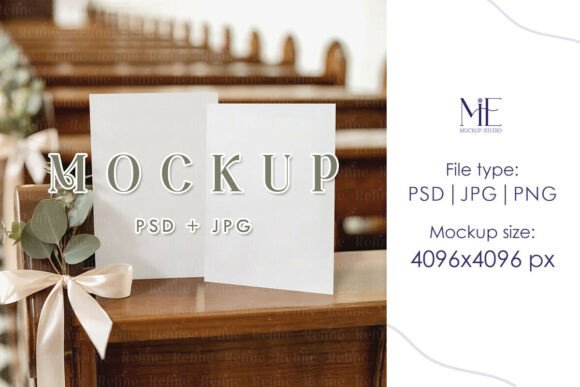
Understanding the role of this specific mockup format requires looking at the broader design workflow. The 5x7 inch dimension is an industry standard for invitations, greeting cards, and announcements. However, clients and stakeholders often struggle to visualize how a flat digital file translates into a physical object, especially when dealing with folded designs or multi-page suites. A double-sided mockup solves this ambiguity by presenting both the front and back (or inside and outside) of the card in a cohesive, photorealistic setting. By integrating this resource early in your project lifecycle, you shift the conversation from abstract descriptions to concrete visual evidence.
Strategic Integration into the Design Process
The utility of a high-quality Invite Card Mockup extends far beyond the final presentation. Smart designers incorporate these templates at various stages of production to ensure consistency and catch potential errors before they become costly printing mistakes. When you begin a new project, such as designing a Wedding Card PSD Template or a holiday greeting series, loading your initial concepts into a mockup allows you to evaluate scale, typography readability, and color balance in a realistic context.
During the iterative phase, these mockups serve as a critical quality control checkpoint. Screens can be deceptive; colors often appear more vibrant on a backlight than they do on matte or textured paper. By placing your design onto a Greeting Card Mockup that simulates real-world lighting and paper texture, you gain immediate insight into how the final product will look. This proactive approach reduces the risk of client dissatisfaction and minimizes the need for reprints. It transforms the design process from a linear sequence of "design then print" into a cyclical loop of "design, visualize, refine, and finalize."
Furthermore, these assets facilitate better collaboration. When working with printers, vendors, or co-designers, sharing a rendered image of the Set Card Mockup ensures everyone is aligned on the expected outcome. It eliminates confusion regarding fold lines, bleed areas, and orientation. Instead of explaining technical specifications via email, you can simply share the visual proof, making the decision-making process faster and more efficient for all parties involved.
Technical Advantages of Editable PSD Templates
The efficiency of your workflow heavily depends on the tools you choose. A generic JPEG image of a card might look nice, but it lacks the flexibility required for professional iteration. This is why opting for a fully editable 2 Page Invite Mockup PSD is essential. The Power of Smart Objects in Adobe Photoshop cannot be overstated in this context. These layers allow you to insert your design once and have it automatically wrap, perspective-correct, and blend with the underlying texture of the mockup.
When you purchase a premium package, you typically receive a high-resolution PSD file alongside a JPG preview. The PSD file contains specialized Smart Object layers engineered to handle complex transformations. For instance, if your invitation has a slight curve due to the folding process or casts a subtle shadow on the table surface, the Smart Object preserves these nuances. You simply double-click the layer, paste your artwork, save, and watch the magic happen. This non-destructive editing method means you can swap out dozens of design variations in minutes without ever altering the base mockup file.
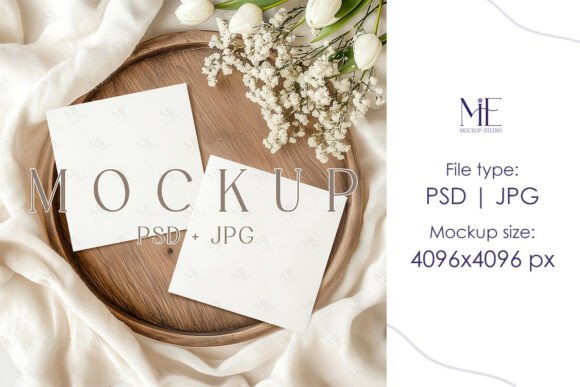
Moreover, the resolution matters immensely for professional output. A mockup sized at 4096x4096 pixels provides exceptional clarity, ensuring that even when zoomed in for detailed inspection or used in large-format presentations, the image remains crisp. This level of detail is vital when showcasing intricate patterns, foil stamping effects, or embossing textures that are common in high-end stationery. Low-resolution placeholders simply cannot convey the luxury feel that many clients expect.
Enhancing Marketing and Client Presentations
Beyond the internal design process, the Double 5x7 Invitation Cards Mockup plays a pivotal role in marketing and sales. For entrepreneurs and creators selling digital templates or custom design services, the product image is often the primary driver of conversion. Potential buyers cannot touch the paper or feel the weight of the card; they rely entirely on the visual representation. A realistic mockup bridges this sensory gap, allowing customers to imagine the product in their own hands.
Consider the workflow of an online store owner. Instead of photographing every single design variation—a time-consuming and expensive process involving photography studios, lighting equipment, and props—you can use a consistent set of mockups. This creates a cohesive brand aesthetic across your portfolio. Whether you are listing items on Etsy, Shopify, or a personal website, using the same Invitation Card Mockup style ensures that your shop looks professional and organized. It signals to the buyer that you pay attention to detail and care about presentation.
For service-based freelancers, these mockups are powerful persuasion tools during the pitch phase. Sending a PDF proof is standard, but attaching a rendered image of the invitation sitting on a rustic wooden table or a sleek marble countertop adds an emotional layer to the proposal. It helps the client visualize the end result of their investment, making it easier for them to say "yes." This psychological impact often shortens the sales cycle and increases the perceived value of your services.
Practical Implementation and Best Practices
To get the most out of your Double 5x7 Invitation Cards Mockup, organization and preparation are key. Before diving into Photoshop, ensure your source files are ready. Your design should be created at the exact dimensions of the mockup slot—typically 5x7 inches at 300 DPI—to avoid pixelation or unwanted stretching. Most high-quality templates include guides or notes indicating the safe zones and bleed areas; adhering to these ensures your critical design elements aren't cut off during the folding or trimming process.
When managing multiple projects, maintain a dedicated folder structure for your mockup assets. Categorize them by occasion (weddings, birthdays, corporate), style (minimalist, vintage, modern), or orientation (portrait, landscape). This saves valuable time when you need to quickly generate a preview for a last-minute client request. Since these are digital downloads, there is no shipping wait time; you can access your files instantly after purchase and integrate them into your workflow immediately.
It is also important to consider the context in which you display your mockups. While the template provides the realism, the background and lighting of the scene should match the tone of your design. A whimsical birthday invite might look best in a bright, airy setting, while a formal wedding suite may benefit from a darker, moodier atmosphere. Some advanced PSD files allow you to adjust background colors or lighting intensity, giving you further control over the final aesthetic.
Long-Term Value and Versatility
Investing in a robust library of mockups is a long-term strategy for any creative professional. Unlike physical props that can get damaged, lost, or go out of style, digital Set Card Mockup files remain pristine indefinitely. They can be reused across countless projects, adapting to different trends and client needs over the years. As your business grows, these assets scale with you, supporting everything from social media posts and email newsletters to printed portfolios and trade show displays.
Additionally, the versatility of the 5x7 format means these mockups are not limited to invitations. They can effectively showcase postcards, art prints, menu cards, or even small booklets. By understanding the underlying mechanics of the Smart Object layers, you can adapt a single template to serve multiple purposes within your business ecosystem. This flexibility maximizes your return on investment and keeps your workflow agile.
In conclusion, the Double 5x7 Invitation Cards Mockup is more than just a pretty picture; it is a functional component of a modern, efficient design workflow. It facilitates clearer communication, enhances quality control, boosts marketing efforts, and ultimately saves time and money. By integrating these high-quality, editable PSD templates into your routine, you empower yourself to deliver superior results, satisfy clients more effectively, and elevate the overall standard of your creative output. Whether you are finalizing a Wedding Card PSD Template or launching a new product line, the right mockup is the bridge that turns your digital vision into a believable reality.